Beyond New York: Exploring Global Cheesecake Styles & Origins
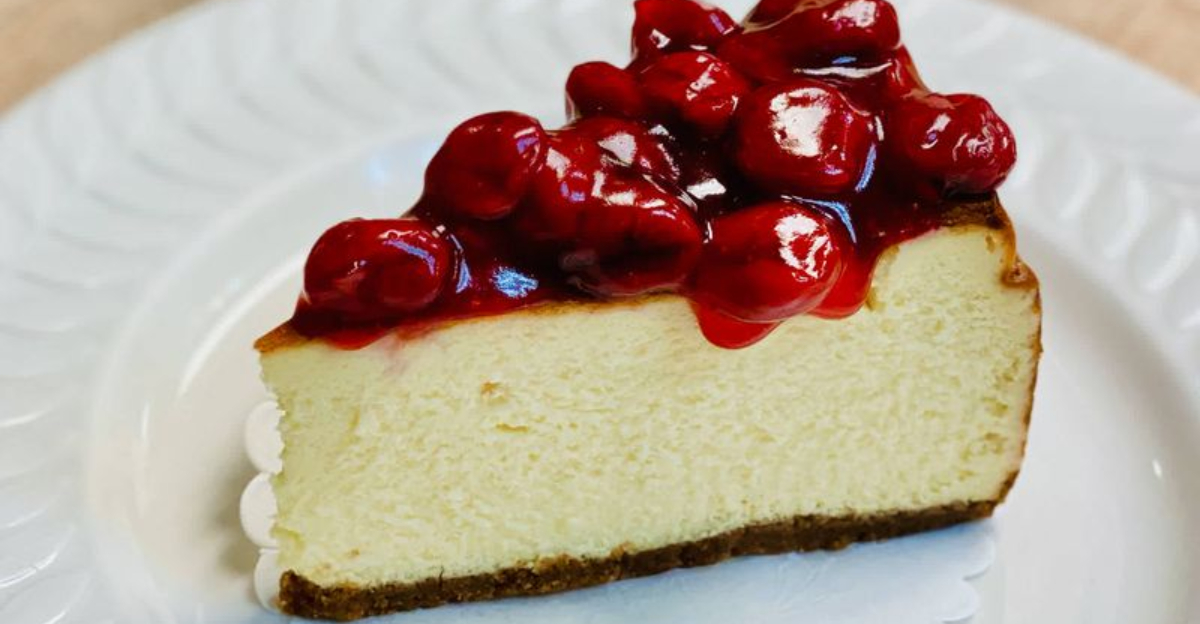
Often, when we think of cheesecake, our minds immediately conjure images of the iconic, dense, and velvety New York-style dessert. While undoubtedly a beloved classic, this rich creation represents just one vibrant chapter in a dessert story spanning millennia and continents. From its humble beginnings as a simple sustenance for athletes to its evolution into countless regional variations, cheesecake is a testament to culinary adaptability and global appeal. Join us on a delicious journey to explore the fascinating origins and diverse styles of this creamy confection, proving that there's a whole world of cheesecake waiting to be discovered beyond the Big Apple.
The Ancient Roots of a Modern Delight
The history of cheesecake is surprisingly ancient, predating many modern desserts by thousands of years. Its origins trace back to classical antiquity, specifically to ancient Greece around 776 BCE. Historical records suggest that a rudimentary form of cheesecake, then a simple mixture of cheese, flour, and honey, was served to athletes participating in the very first Olympic Games in Olympia. This early iteration wasn't merely a dessert; it was a source of energy and nourishment, underscoring its foundational role as a functional, yet delicious, food.
As empires rose and fell, so did the journey of this cheese-based treat. The Romans, known for their culinary appropriations and innovations, adopted and further developed the Greek concept. Cato the Elder, the Roman statesman, documented a basic recipe called libum in his agricultural treatise, De Agri Cultura, around 160 BCE. This early Roman version typically involved cheese, flour, and honey, often baked on a pastry base, foreshadowing the crusts of modern cheesecakes. Through the vast reach of the Roman Empire, the concept of a baked cheese cake spread across Europe. By the Middle Ages, recipes for curd cheese-based cakes, sweetened with honey or sugar, began appearing in cookbooks, such as the 14th-century English collection, The Forme of Cury. This long and storied history highlights cheesecake's incredible versatility and its inherent ability to evolve with cultures and available ingredients, laying the groundwork for the myriad styles we enjoy today. For a deeper dive into its fascinating journey, explore Cheesecake's Epic Journey: Ancient Greece to New York Classic.
The Rise of the New York Classic and Its Global Impact
Fast forward to the early 20th century, and the culinary landscape of the United States became the crucible for the most globally recognized form of cheesecake: the New York style. This dense, rich, and impeccably smooth dessert owes much of its existence to Jewish immigrants who settled in America and refined the traditional European cheese cake recipes. A pivotal ingredient in this transformation was the development of modern cream cheese. First created by William A. Lawrence in 1872 and later commercialized as the now-famous Philadelphia brand in 1880, this softer, richer cheese provided the perfect foundation for the signature velvety texture.
Popularized by bustling New York delis like Lindy's in the 1920s, the New York-style cheesecake quickly became an American culinary icon. Its defining characteristics are its substantial height, often baked in an 8-inch round pan, and a remarkably dense, smooth, and creamy filling, typically made with full-fat cream cheese, eggs, sugar, and sometimes sour cream or heavy cream. The high fat content (around 33%) of the cream cheese is crucial for achieving its characteristic richness and preventing a dry or grainy texture. Most New York cheesecakes feature a buttery graham cracker crust, providing a delightful textural contrast. This particular style not only cemented cheesecake's place in American cuisine but also significantly influenced the development and perception of cheesecakes worldwide, serving as a benchmark against which other variations are often compared.
A World of Cheesecake: Beyond the Big Apple
While the New York-style holds a special place, its global cousins offer an astounding array of textures, flavors, and preparation methods. Stepping beyond American borders reveals a vibrant spectrum of cheesecake interpretations, each reflecting local ingredients and culinary traditions.
Italian Cheesecake
Italian cheesecakes often present a delightful contrast to their American counterparts. Rather than cream cheese, they traditionally utilize fresh, light cheeses such as ricotta or, less commonly, mascarpone. This choice of cheese results in a fluffier, less dense, and often tangier texture, with a lower fat content that allows other flavors to shine through. Italian versions are frequently flavored with citrus zest (lemon or orange), vanilla, or even candied fruits, and they may be baked with a thin pastry crust or served crustless for a purer cheese profile. They are often less sweet, emphasizing the fresh, milky notes of the cheese.
Japanese Cheesecake (Soufflé Cheesecake)
Perhaps one of the most distinctive global styles is the Japanese cheesecake, often referred to as a soufflé cheesecake or cotton cheesecake. This exquisite creation is renowned for its incredibly light, airy, and fluffy texture that truly melts in your mouth. Achieving this ethereal quality involves separating eggs, whipping the egg whites into soft peaks, and gently folding them into the cream cheese batter. Baked typically in a water bath (bain-marie) at a lower temperature, the Japanese cheesecake rises like a soufflé, resulting in a delicate, jiggly dessert that is significantly less dense and less sweet than American versions. It’s a masterclass in subtlety and elegance.
Basque Cheesecake (Burnt Cheesecake)
Hailing from the Basque Country of Spain, this rustic yet sophisticated cheesecake has taken the world by storm with its unique charm. The Basque cheesecake is characterized by its deeply caramelized, almost burnt top and edges, achieved by baking at a very high temperature without a crust. This high heat creates a dramatic contrast with its interior, which remains incredibly creamy, custardy, and often slightly gooey in the center. The burnt exterior contributes a complex, bittersweet flavor that beautifully complements the rich, smooth cheese filling, usually made with cream cheese, eggs, sugar, and heavy cream. Its "imperfect" appearance is part of its allure, making it a favorite for those seeking a less conventional yet utterly delicious dessert.
German Cheesecake (Käsekuchen)
In Germany, Käsekuchen is a beloved staple, often made with quark, a fresh dairy product similar to a thick, tangy yogurt or a very soft cream cheese. This provides a distinctively lighter and tangier flavor profile compared to cream cheese-based versions. German cheesecakes typically feature a shortcrust pastry base (Mürbeteig) and can sometimes include a top crust or a streusel topping. Additions like raisins, lemon zest, or various fruits are common, creating a wholesome and comforting dessert that speaks to traditional European baking.
Polish Sernik
Similar to the German Käsekuchen, Poland's national cheesecake, Sernik, also prominently features quark (known as twaróg in Polish). Sernik variations are numerous, but generally, they are dense, rich, and often baked on a shortcrust pastry base. Common additions include candied orange peel, raisins, or a layer of chocolate ganache. It's a dessert deeply ingrained in Polish culinary culture, especially during holidays and family celebrations, showcasing a comforting and robust character.
The Art and Science of the Perfect Cheesecake
No matter the style, crafting a truly exceptional cheesecake involves a blend of precise technique and quality ingredients. The creamy texture that defines this dessert is a result of careful attention to detail:
- Cheese Choice is King: The base cheese dictates much of the final texture. Cream cheese (especially full-fat) yields the dense, velvety texture of New York style. Ricotta or quark provide a lighter, fluffier, and often tangier consistency. Cottage cheese can also be used, though it's often blended smooth.
- Temperature Matters: Ensure all dairy and eggs are at room temperature. This allows for a smoother, lump-free batter, preventing overmixing which can introduce too much air and lead to cracks.
- The Gentle Mix: Overmixing is the enemy of a smooth cheesecake. Mix until just combined, avoiding excessive aeration, which can cause the cake to puff up too much and then crack or sink during cooling.
- The Water Bath (Bain-Marie): For many baked cheesecakes, particularly New York and Japanese styles, a water bath is crucial. It provides even, gentle heat, preventing the edges from baking faster than the center and significantly reducing the risk of cracks and dryness.
- Slow Cooling is Key: Don't rush it! After baking, leave the cheesecake in the oven with the door ajar for an hour or so, then cool completely on a wire rack before chilling. Rapid temperature changes are a common culprit for sinking and cracking.
While predominantly a sweet indulgence, the versatility of cheesecake even extends to savory realms. Crustless savory cheesecakes, sometimes incorporating ingredients like smoked fish, roasted vegetables, or fresh herbs into the cheese base, offer a unique, tangy appetizer or side dish, proving that this beloved dessert is truly limitless in its potential. For more in-depth techniques and foolproof methods to perfect your bake, be sure to read Master the Perfect Cheesecake: Rich, Creamy, No Cracks Guaranteed.
Conclusion
From its humble origins as an energy booster for ancient Greek Olympians to its transformation into a global culinary icon, cheesecake truly embodies a journey through time and taste. Beyond the towering, rich slices of New York, a world of delightful variations awaits – from the airy Japanese soufflé to the rustic elegance of the Basque burnt creation, and the tangy, wholesome European versions. Each style, shaped by local ingredients and cultural preferences, offers a unique experience, celebrating the enduring appeal of a creamy, cheesy dessert. So, next time you crave cheesecake, consider venturing beyond the familiar and explore the diverse and delicious global landscape of this ancient, yet eternally evolving, treat.
