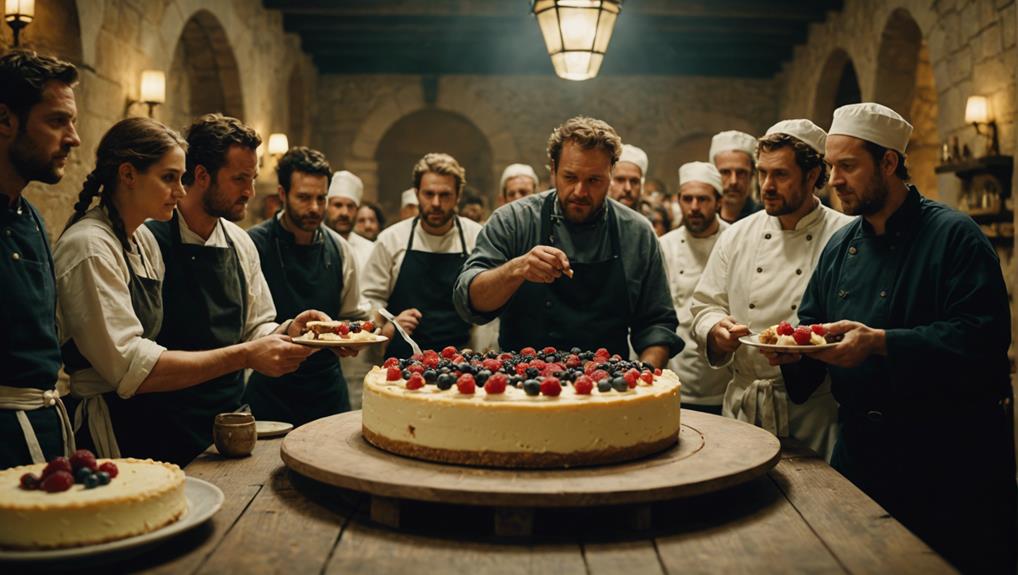
Cheesecake's Epic Journey: Ancient Greece to New York Classic
Few desserts boast a history as rich, diverse, and surprisingly ancient as the beloved cheesecake. Far from being a modern invention, this creamy, dreamy confection has graced tables for millennia, evolving from a simple energy booster for athletes into a global culinary icon. From the sun-drenched arenas of ancient Olympia to the bustling delis of New York City, the journey of cheesecake is a testament to human ingenuity and our enduring love for sweet indulgence.
The Ancient Roots of Cheesecake: A Journey Through Time
Imagine the very first Olympic Games in 776 BCE, held in the hallowed grounds of Olympia, Greece. Athletes, poised to compete, were fortified not with protein shakes but with a surprisingly familiar predecessor: a mixture of cheese, flour, and honey, baked and served for sustenance. This early form of cheesecake was a simple, wholesome dish, designed to provide energy and satisfy. It was less a dessert and more a fundamental part of the ancient Greek diet.
As empires rose and fell, so too did the cheesecake travel. The Roman Empire, ever keen to adopt and adapt culinary delights, embraced this Greek invention. Around 160 BCE, the Roman statesman and writer Cato the Elder documented a basic recipe called libum in his agricultural treatise, De Agri Cultura. This Roman version, often involving cheese, flour, and sometimes eggs, was more akin to a small, savory cake, frequently used as an offering to the gods.
Through the Middle Ages, the concept of cheese-based cakes continued its evolution across Europe. Ingredients became more refined, and sweeteners, though still precious, were incorporated more generously. By the 14th century, culinary texts like the English manuscript Forme of Cury featured recipes for "tartes de Bry" or "caseate," showcasing the growing sophistication of these cheese tarts, often made with curd cheese, eggs, and various spices.
The Anatomy of a Classic: What Makes Cheesecake So Irresistible?
At its heart, a cheesecake is a delicate balance of creamy texture and rich flavor, distinguishing it from traditional flour-based cakes. Typically, it consists of a soft cheese – be it cream cheese, ricotta, or cottage cheese – blended with eggs, sugar, and sometimes milk or cream. This mixture is then either baked or chilled until it sets into a smooth, custard-like filling, often resting atop a crumbly crust.
The magic of cheesecake lies in its unique physical characteristics:
- Creamy Texture: The high fat content of cheeses like full-fat cream cheese (often around 33%) is crucial for achieving that characteristic velvety, melt-in-your-mouth richness. Lower-fat cheeses, like ricotta, tend to produce a lighter, fluffier consistency.
- Custard-like Consistency: Unlike a batter, the cheesecake filling sets into a smooth, almost pudding-like body, where the cheese provides structure and the eggs act as a binding agent.
- Rich Mouthfeel: The combination of dairy fat and sugar creates a deeply satisfying sensation, making each bite an indulgence.
- The Crust: While not universally present, the crust provides a delightful textural contrast. Common choices include crushed graham crackers, biscuits, digestive cookies, or a delicate pastry base. This buttery, crumbly foundation perfectly complements the creamy filling.
While predominantly celebrated as a sweet dessert, the versatility of cheesecake knows no bounds. Historically, many early versions leaned savory, and today, gourmet chefs sometimes create savory cheesecakes incorporating ingredients like smoked fish, herbs, or vegetables, offering a unique appetizer experience.
The American Dream: From Philadelphia Cream Cheese to New York Icon
The cheesecake as many of us know it today – dense, rich, and utterly luxurious – owes much of its modern form to a significant development in 19th-century America: the advent of cream cheese. In 1872, an American dairyman named William A. Lawrence inadvertently created a richer, creamier version of Neufchâtel cheese, which he dubbed "cream cheese." This innovation was then commercialized by the Kraft Foods company in 1880 under the now-iconic Philadelphia brand, making cream cheese widely accessible.
It was the wave of Jewish immigrants in the early 20th century in the United States, particularly in New York City, who truly pioneered the iconic New York-style cheesecake. These enterprising bakers and deli owners, utilizing the newly available cream cheese, perfected a dense, smooth, and intensely creamy version that became an instant sensation. Delis like Lindy's, founded in the 1920s, played a pivotal role in popularizing this new dessert, establishing it as a staple of American cuisine. The New York-style cheesecake, with its signature height and velvety texture, quickly became a benchmark, influencing countless variations globally.
Mastering the Art of Cheesecake: Tips for Home Bakers
While the prospect of baking a flawless cheesecake might seem daunting, it's an incredibly rewarding process that, once mastered, becomes surprisingly straightforward. The key lies in understanding a few fundamental principles:
- Room Temperature Ingredients: This is paramount! Cream cheese, eggs, and other dairy should be at room temperature to ensure a smooth, lump-free batter. Cold ingredients will lead to overmixing and a less-than-perfect texture.
- Gentle Mixing: Overmixing is the enemy of a smooth cheesecake. Once the cream cheese is softened, mix just until combined. Excessive beating incorporates too much air, which expands during baking and then collapses, leading to cracks.
- The Water Bath Advantage: Baking your cheesecake in a water bath (a springform pan wrapped in foil, placed in a larger pan filled with hot water) is a game-changer. It provides a moist, even heat environment, preventing the edges from baking too quickly and cracking, and results in a wonderfully creamy texture.
- Gradual Cooling: Sudden temperature changes are a major cause of cracks. After baking, turn off your oven and leave the cheesecake inside with the door ajar for an hour. Then, remove it to cool completely on a wire rack before refrigerating.
- Chilling is Crucial: A cheesecake isn't truly ready until it's been thoroughly chilled, ideally overnight. This allows the flavors to meld and the texture to firm up perfectly.
For a truly flawless, bakery-quality result, our guide on Master the Perfect Cheesecake: Rich, Creamy, No Cracks Guaranteed provides every shortcut and tested method you'll ever need, promising no cracks, no sinking, and no stress. Once you master this classic base, the possibilities for customization are endless – from fresh berries and fruit compotes to chocolate ganache or caramel drizzles.
A World of Cheesecake: Beyond the Classic
The beauty of cheesecake lies in its remarkable versatility and adaptability. While the New York-style holds a special place, it's just one star in a vast galaxy of cheese-based desserts. Across the globe, local ingredients and culinary traditions have shaped distinct variations:
- Italian Ricotta Cheesecake: Lighter and airier than its American counterpart, often infused with citrus zest and a hint of liqueur.
- Japanese Soufflé Cheesecake: Known for its incredibly light, fluffy, and airy texture, achieved by folding in whipped egg whites, resembling a delicate cloud.
- Basque Burnt Cheesecake: Characterized by its strikingly dark, almost burnt exterior and incredibly creamy, custardy interior, often baked at high temperatures without a crust.
These adaptations highlight cheesecake's incredible journey, blending ancient simplicity with contemporary innovations in texture, flavor, and presentation. To delve deeper into this incredible diversity, explore our feature on Beyond New York: Exploring Global Cheesecake Styles & Origins.
From its humble beginnings as an athlete's fuel in ancient Greece to the sophisticated, globally recognized dessert it is today, the cheesecake has proven its enduring appeal. It's a dessert that transcends cultures and centuries, continually reinventing itself while retaining the core essence of creamy indulgence. Whether you prefer the dense luxury of a New York classic or the airy lightness of a Japanese soufflé, cheesecake remains a testament to timeless deliciousness, inviting us all to savor a piece of history with every luscious bite.
